

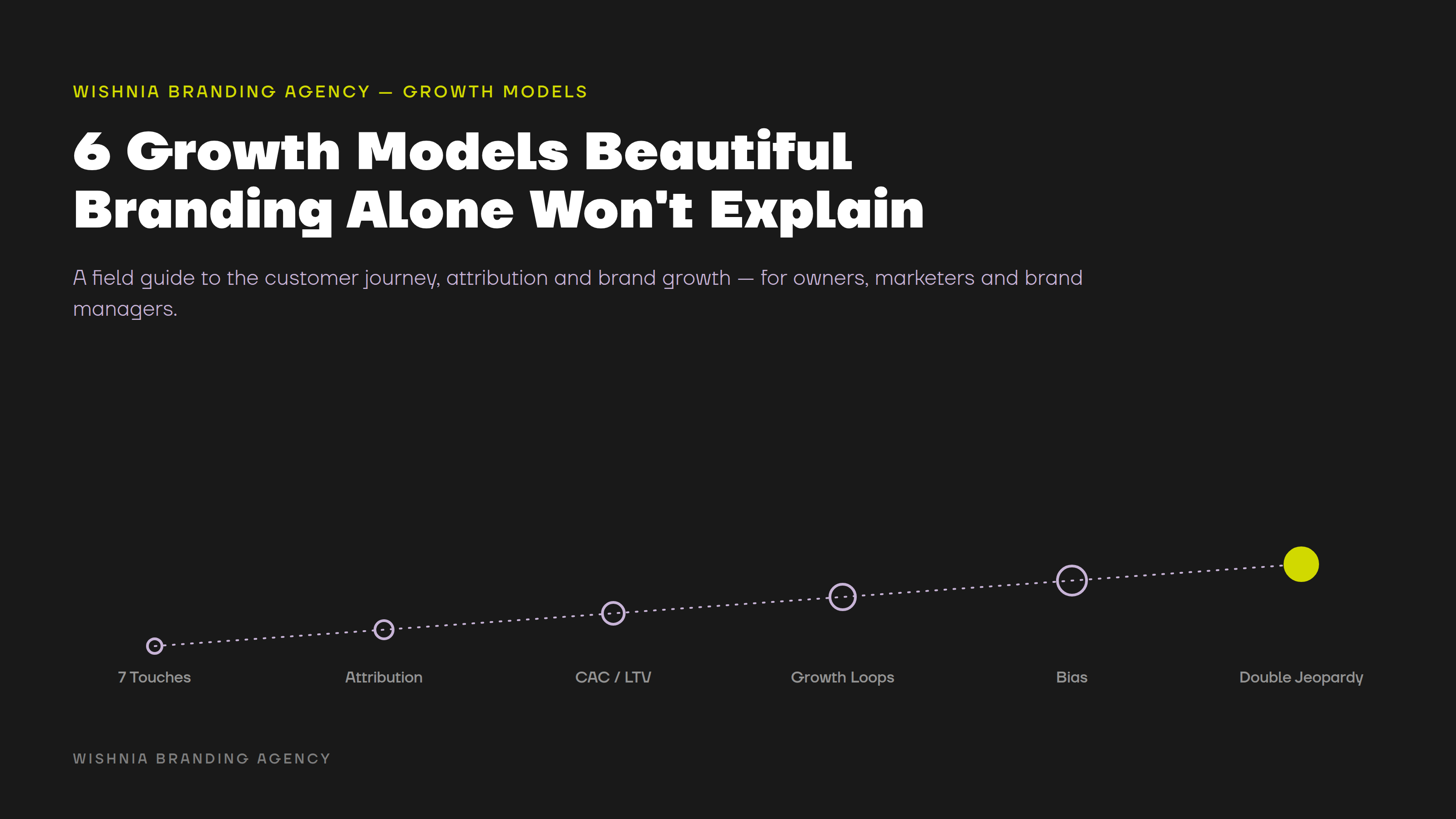
A great logo doesn't sell on first sight — that's not a design failure, it's how attention actually works. Between "noticed the brand" and "bought from the brand" sits a chain of touches, timing and coincidence, and most marketing budgets burn precisely because nobody ever broke that chain down. Here are six models that explain why one brand grows and another, with the same budget, stays exactly where it started.
rule of seven touches
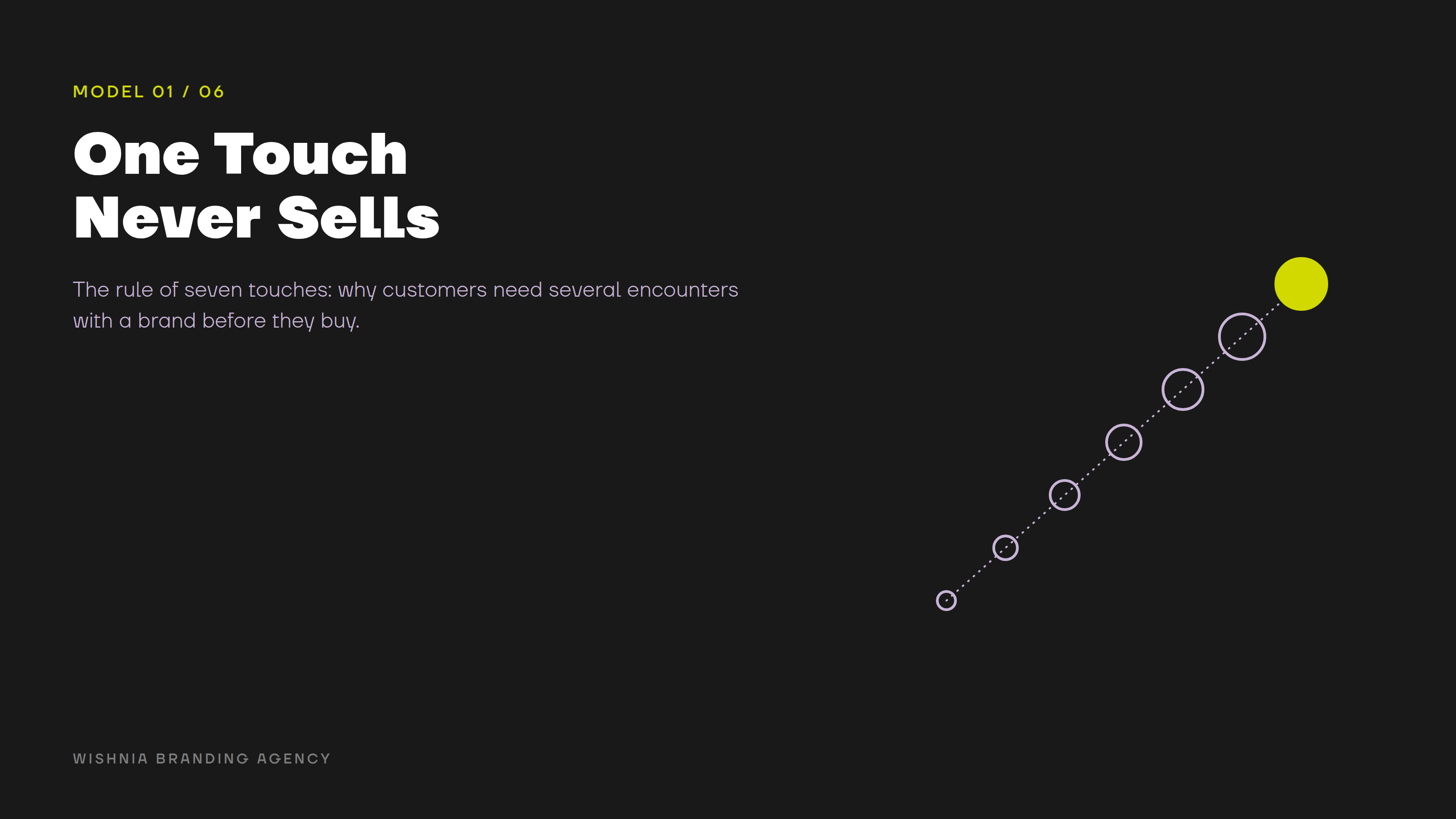
Customers almost never decide on the first encounter. They notice a brand, then they check it out — visit the site, read a review, see someone else's experience — and only after several such touches do they actually commit. That's the rule of seven touches: the path from attention to trust to decision is rarely shorter than three or four steps, often more.
Take a neighborhood coffee shop across the street from a chain with a recognizable logo. A passerby sees a latte-art photo in someone's story — that's attention. Later they stumble on a regular's review — trust starts building. Only then, catching a "second coffee on us" offer, do they actually walk in. One opening-day post won't build that chain — it takes a steady sequence where every touch pulls the person one step closer.
The harder implication for a brand: if the visual and verbal identity looks different at every one of these steps — a different tone in stories, a different feel on the website, a different message in the ad — the chain breaks, and by step five the person doesn't recognize the same brand they saw at step one.
attribution window
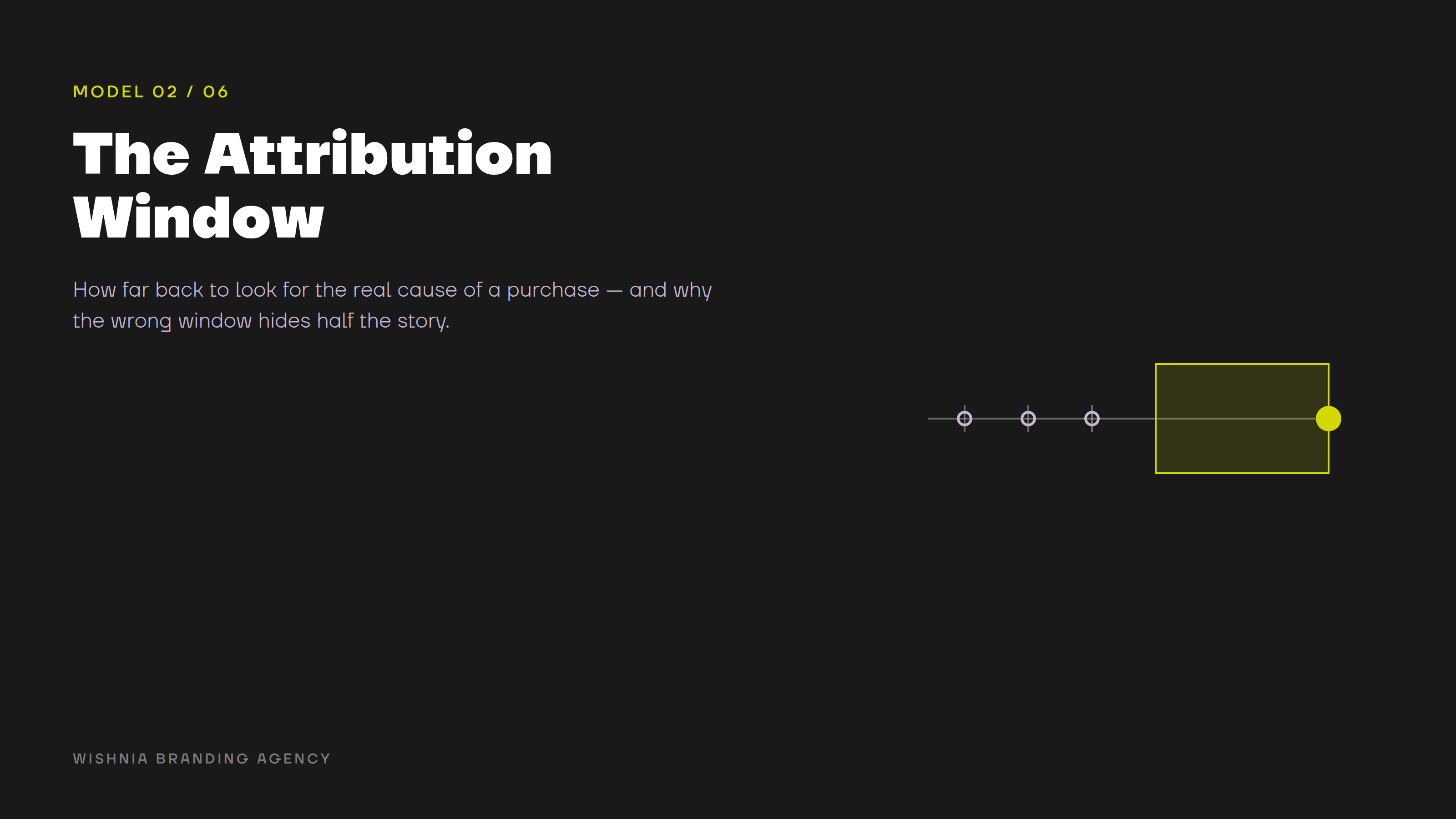
Not every touch that leads to a purchase sits close to that purchase in time. The attribution window is the period during which a touch still gets credit for the eventual decision. Set it to one day, and you'll only ever see the last click before purchase — everything that warmed the customer up weeks earlier stays invisible in your reports. Set it to a month, and you'll see the whole journey, but lose precision about what actually worked.
For coffee grabbed on the way to work, a short window is usually honest. For a brand spending years building recognition through packaging, collaborations and physical presence, the effect shows up over weeks — and judging that work by yesterday's click means writing off exactly what's bringing customers in, just more slowly than a dashboard likes.
CAC AND LTV
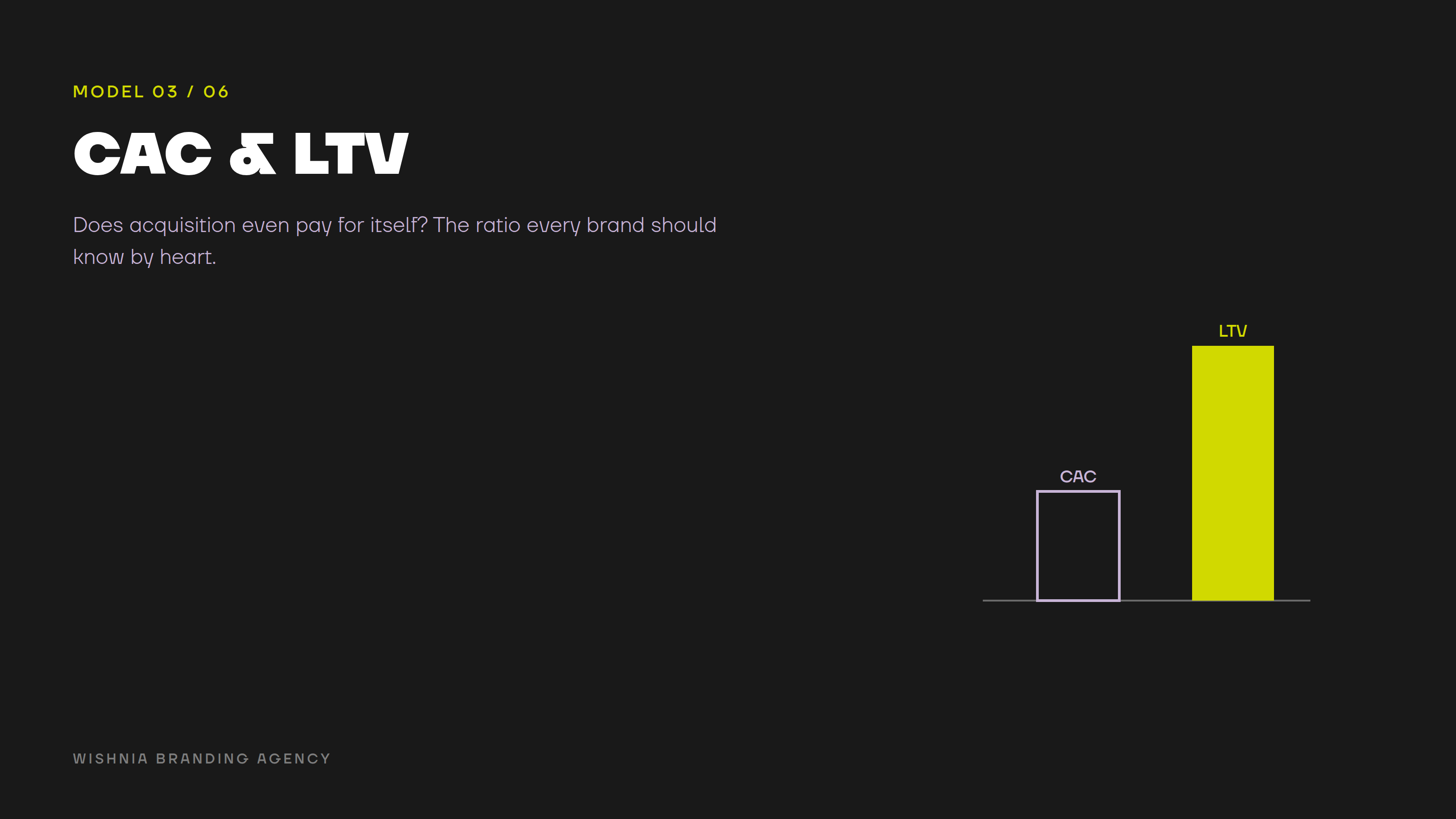
CAC is what it costs to acquire one customer — marketing spend divided by new customers. LTV is what that customer is worth over the entire relationship — average order value, times purchase frequency, times how long they stay. Divide the second by the first and you get the answer to a question companies ask less often than they should: does acquisition even pay for itself.
Below one, the business loses money on every new customer. Around three is healthy. Above five, you can grow more aggressively — but check whether you're underinvesting in your own future.
This is where brand value becomes literally measurable: strong positioning and a recognizable identity raise LTV — customers return more readily and pay without comparison-shopping every time — which means the same CAC pays back faster and with more room to spare.
GROWTH LOOPS
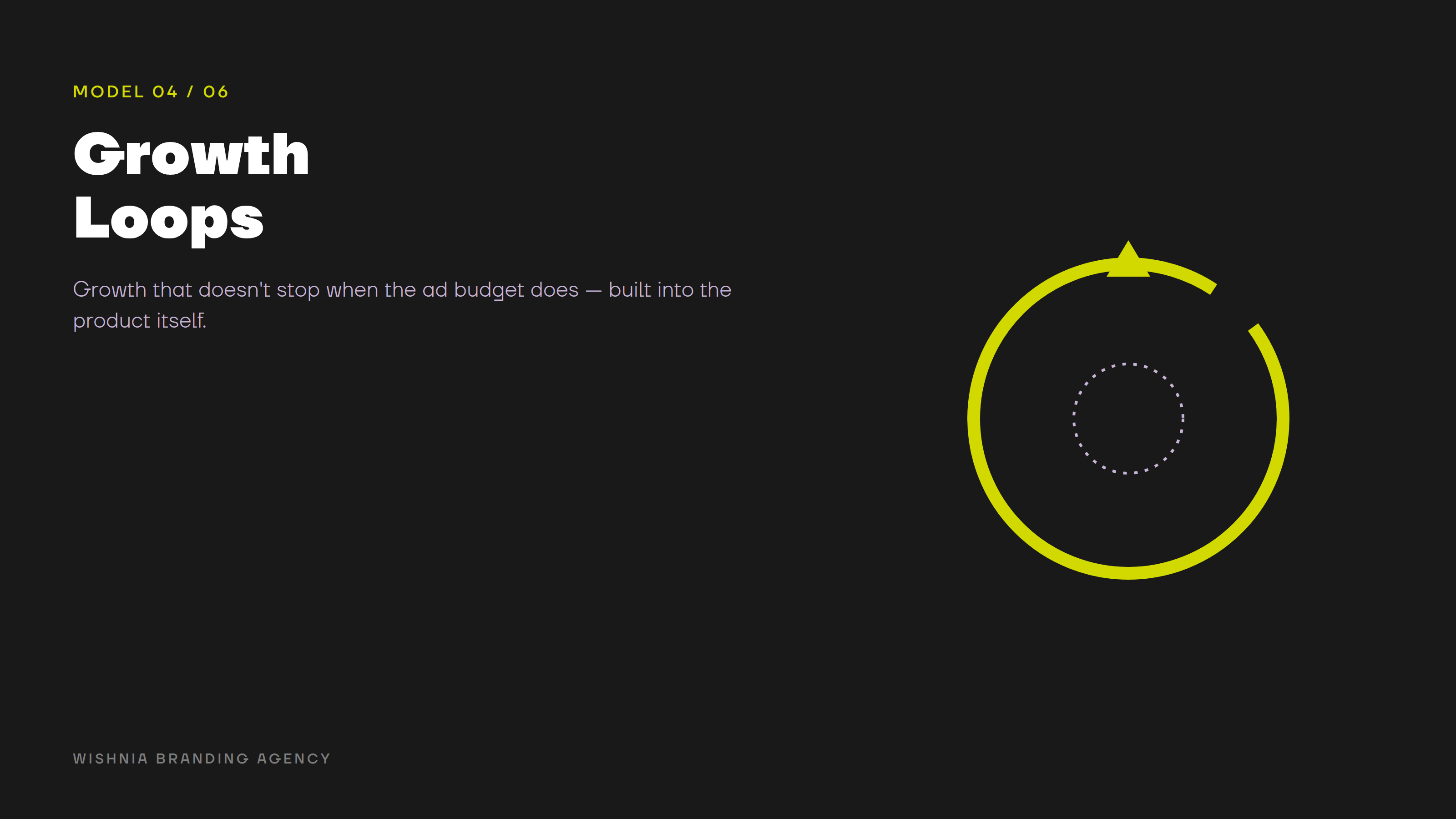
A classic funnel is linear: budget → traffic → conversion → customers, and growth stops exactly where ad spend does. A growth loop works differently: a user gets value from the product, that action itself creates a reason to share or invite someone else, and the loop closes on its own — no fresh budget required.
The textbook example is Dropbox's referral program, which for years outperformed any paid channel it tried. A coffee shop's version is humbler but works on the same principle: a cup worth photographing, a "bring a friend" program, or simply a barista who writes a name on the cup with a joke — each one creates a free reason for a new visit.
This is where design and marketing stop being separate disciplines: a piece of identity people physically want to show off is a built-in growth channel, not decoration on top of the product.
fundamental attribution error
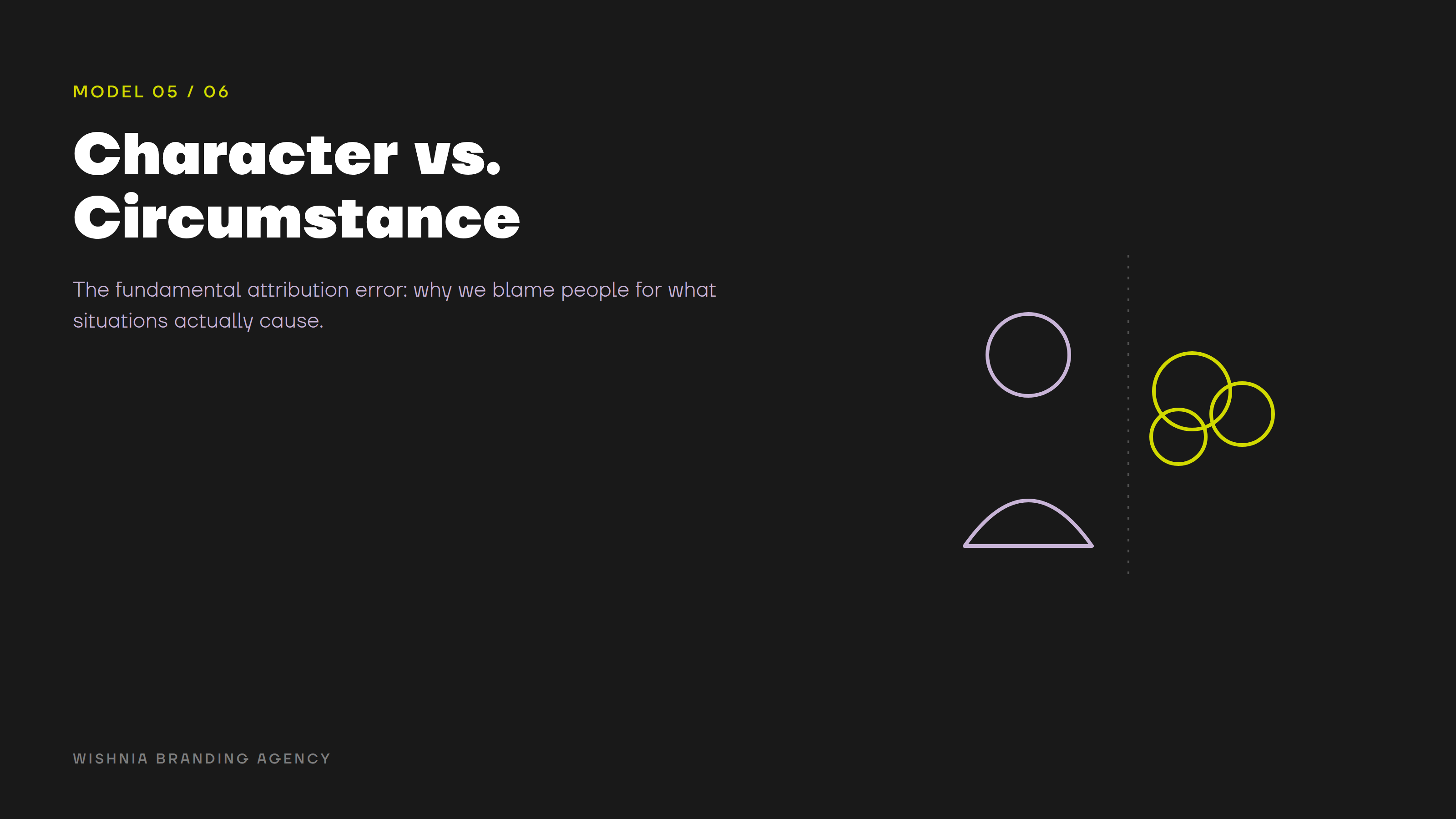
This one isn't a metric — it's a cognitive trap, and it costs companies real decisions every day. The fundamental attribution error is our tendency to explain someone else's behavior by their character rather than their situation: "the customer left, so they didn't like us," when they may simply have been in a hurry or never the right audience to begin with. Same with a team: "the staff member got it wrong, so they're careless," when the real cause was a rush hour with no backup.
The trap is that these snap judgments usually point the wrong way: instead of diagnosing the actual gap in the customer journey, a company changes something that was already working. That's why branding work doesn't start with guesses — it starts with structured research into what actually drives a customer's decision, not what looks obvious from the outside.
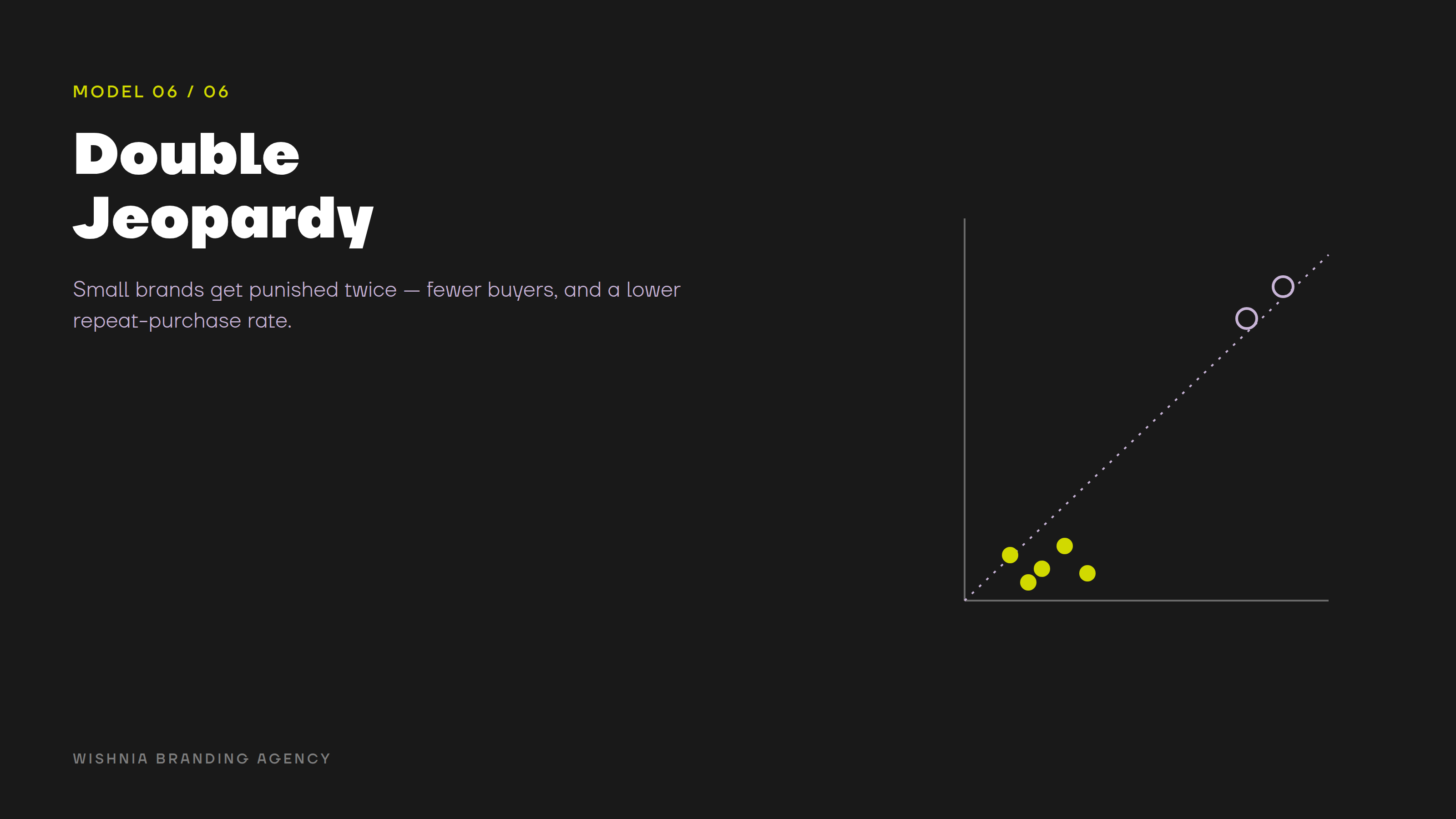
Brand growth econometrics (the work of Byron Sharp and the Ehrenberg-Bass Institute) describes an uncomfortable pattern: brands with a small market share usually have not just fewer buyers, but a lower repeat-purchase rate too. It's rarely about product quality — it's about recognition: a small brand is less often the one that comes to mind first when someone is already ready to buy.
share of voice and share of market
Alongside this sits the relationship between share of voice (how much of a category's advertising activity a brand accounts for) and share of market. When share of voice exceeds share of market, a brand tends to grow; when it falls short, the brand tends to lose ground. Holding onto existing customers is possible at today's visibility level — but clawing share away from a bigger competitor requires visibility noticeably above the brand's current size, and consistently, not as a one-off push.
This is where the myth ends that a small brand can compete on niche loyalty alone. What actually works against double jeopardy isn't a narrower niche — it's a more consistent identity, recognizable on every surface, that gets noticed faster than the competitor's.
The same six models play out just as clearly somewhere less caffeinated. Take an independent dental clinic competing with a large dental chain down the road.
rule of seven touches
A prospective patient rarely books after one ad. They see a before-and-after post (attention), then read a patient review or get a friend's recommendation (trust building), and only then click through on a retargeting ad for a free consultation (decision) — the rule of seven touches in a higher-stakes category.
attribution window
The attribution window matters more here than for coffee: a routine cleaning might be booked the same day someone sees an ad, but a decision about implants or orthodontics can take weeks of research. Judge both by a one-day window and the slower, higher-value decisions look like they came from nowhere.
CAC and LTV
CAC and LTV tell a sharper story in healthcare than in retail: acquiring a new patient through paid search might cost real money, but a patient who stays for a decade of checkups, cleanings and occasional procedures is worth many times that — which is exactly why a strong first impression and consistent care are worth paying more to earn.
Growth loops
Growth loops here look like a referral discount for existing patients, or simply a transformation photo a patient is proud enough to post themselves — dentistry has plenty of visually shareable moments if the brand gives patients a reason to use them.
fundamental attribution error
The fundamental attribution error shows up when a patient doesn't rebook and the assumption is "they didn't like the clinic," when the real cause might be a scheduling gap, an insurance question left unanswered, or a first visit that was more painful than it needed to be — situational, not personal, and each one fixable.
double jeopardy
And double jeopardy explains why the independent clinic can't out-loyalty a bigger competitor on charm alone — it needs the same consistent, recognizable presence, from the sign on the door to the confirmation text, to be the name that comes to mind first when someone's tooth actually hurts.
▃ Does the brand look equally recognizable at every touchpoint — from a story to the packaging — or does each one need re-introducing
▃ Is the attribution window matched to the real decision cycle in the category, rather than left on a default setting
▃ Is there at least a rough sense of the LTV-to-CAC ratio
▃ Does the product or packaging include at least one detail customers are willing to show off for free
▃ Are reasons customers leave investigated through research, rather than assumed
▃ Does the brand's visibility match its ambitions for market share, not just its current budget

None of these models works in isolation. Together, they show that growth rarely comes down to budget alone — more often it comes down to the gap between what a brand says at each touchpoint and what a customer actually remembers and recognizes. That gap is exactly where brand strategy work begins at WISHNIA Branding Agency: before we draw an identity, we study who the customer is, what actually drives them, and where the path to purchase really breaks — then translate that into a visual and verbal language people recognize everywhere they meet it.
If the checklist above turned up more gaps than you'd like, that's usually where a conversation about brand strategy is worth starting.
